










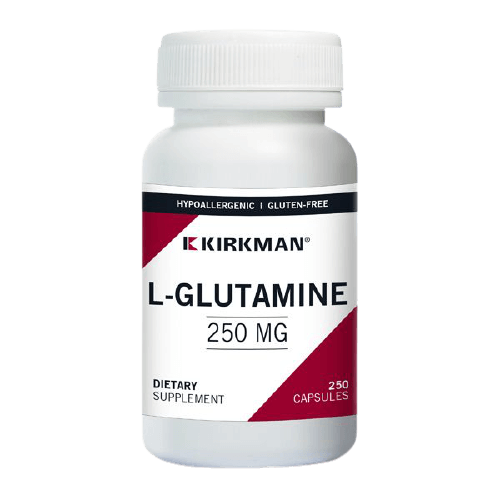
L-glutamine supplement is an amino acid that is involved in protein metabolism, immunological function, and the cells of the colon, as well as muscular tissue. Your body makes it too, and protein foods are a good source of glutamine.
In healthy adults, the body produces adequate glutamine. But the needs of the body may be larger at times of heavy physical stress, injury, illness, or convalescence. That’s why L-glutamine pills are so often brought up when people are talking about workout recovery, gut health, and general nutrition aid.
What Is L-Glutamine?
L-Glutamine is the natural form of the amino acid glutamine. The body uses amino acids to make and maintain proteins.
It is known as a conditionally necessary amino acid. This implies the body usually makes enough of it, but sometimes under certain stressful conditions, the needs can be greater than what the body can make.
Foods that contain glutamine naturally are:
- Meat and poultry
- Fish Eggs
- Milk and other milk products
- Beans and soybeans
- Rice and other cereals
Skeletal muscle also contains a considerable proportion of the body’s glutamine. Glutamine in the body is found in skeletal muscle cells at more than 98%
It is also available as a dietary supplement, often in the form of a powder or capsules. You can incorporate it into your nutrition and exercise regimen, but the benefits will depend on the person and why they are taking it.
Why is L-Glutamine important?
L-glutamine is also significant since it is involved in many regular physiological activities.
1. It helps in protein metabolism
Glutamine is an important amino acid in amino acid and protein metabolism. This makes it a fantastic substitute for anyone who wants to add regular muscle tissue to their diet and exercise plan.
More glutamine doesn’t always mean more muscle. There is limited data in healthy adults that show glutamine supplementation may benefit strength, body composition, or sports performance.
2. Immune System Boost
Glutamine is required for immune cells, including lymphocytes, macrophages, and neutrophils. It assists immune cells and other immune processes to work properly.
3. Some Cells Get Energy
Glutamine is a fuel for cells, including cells of the digestive tract and immune system.
And it is exactly the reason why glutamine has proven attractive to gastrointestinal researchers and those under high levels of physical stress.
4. Less Important in the Stress of the Body
Glutamine levels and needs can alter following serious illness, major surgery, accident, or other stressful occurrences.
However, the literature on critically sick and hospitalized persons has been inconsistent, and glutamine should not be considered a panacea for medical problems.
How Does L-Glutamine Work?
Glutamine supplement is an amino acid, and your body needs amino acids.
Dietary or supplemental glutamine is necessary for many tissues and metabolic processes. The body can use it for protein synthesis. It gives some cells nitrogen and energy.
Glutamine is also involved in the synthesis and metabolism of other chemicals such as amino acids and molecules required for optimal cell function.
L-Glutamine and Gut
The cells that line the intestine use glutamine for fuel. This has created a lot of interest in glutamine and intestinal health.
But the biological function is not what supplements say. Glutamine has a role in gut function; however, there is insufficient research to encourage frequent use of supplements to improve gut health in healthy individuals or to make universal treatment recommendations.
L-Glutamine and Exercise
Athletes take L-glutamine tablets in the hope that they will help them recover from exercise and increase exercise performance.
There is little to no evidence that glutamine for gut health supplementation can help with strength, muscle growth, or athletic performance. There are a few studies suggesting probable impacts on healing or muscle discomfort; however, data are limited.
Benefits of L-glutamine
L-glutamine has numerous important biological functions. But that’s not the benefit of naturally occurring glutamine.
1. Help Muscle Recovery
Skeletal muscle is the major reservoir of glutamine and the location of amino acid metabolism.
Others use digestive health support post-workout to help with recuperation. But whether supplements are effective in helping healthy folks build muscle or improve athletic performance is up for debate.
2. Supports Immunological Health
Immune cells consume glutamine, and it is needed for immune responses to work properly.
So, it’s an important amino acid for overall physiological function, especially during high-stress situations for the body.
3. Increases Intestinal Cell Activity
Cells that line the digestive tract can use glutamine for energy.
The activity of glutamine has prompted studies on the link between glutamine and intestinal function. More studies need to be done before supplements can be broadly suggested for a variety of digestive issues.
4. Supports the Preservation of a Healthy Amino Acid Profile
Glutamine participates in the transport and metabolism of nitrogen and amino acids in the body.
Thus, it participates in many critical metabolic activities necessary for the normal functioning of cells.
5. Can Be Useful in Certain High-Stress Situations
Glutamine requirements are enhanced with high physical stress, such as critical illness and significant surgery.
Results of clinical trials of glutamine supplementation in various circumstances are inconsistent. Hence, the medicine should be taken only on the recommendation of health care specialists and not as self-therapy.
6. A No-Brainer Supplement for Larger Needs
Sports nutrition supplements are easily available in pill or powder form.
This is a simple way for people who want to consume supplements to get glutamine into their everyday diet. But supplements are intended to complement a healthy diet, not replace it.
Is L-Glutamine safe?
Oral glutamine is well tolerated in adults at appropriate doses. Studies have utilized doses of 3 to 45 grams a day for up to 10 weeks with no evident harmful effects.
Potential side effects include:
- Nausea
- Puffiness
- Burping
- Gas
- Stomachache
The more of them there are, the more fallout like this you’re going to see.
Pregnant or nursing. If you are on prescription medications or have a medical condition. Kidney or liver problems. Consult your health care professional before taking L-glutamine supplements.
Also remember that a medically approved healthy gut function product is not the same as an ordinary food supplement. Sports nutrition supplement is used for several specific purposes in medicine, including as a drug (given under medical supervision) to minimize painful crises in people with sickle cell disease.
Who Should Take L-Glutamine?
L-glutamine pills are a great amino acid supplement for adults who want to enhance their diet or activity.
But you don’t need to add to it. Healthy adults produce adequate glutamine during normal metabolism and also obtain additional glutamine from a diet high in protein.
But before you start taking any supplements, analyze your diet, your fitness objectives, your health status, and whether you even need to supplement.
FAQs
1. What is the purpose of L-Glutamine?
L-glutamine is an amino acid supplement involved in protein metabolism, immune cell activity, and intestinal cell metabolism. Some may use it as part of their workout recovery program.
2. Can you build muscle with L-Glutamine?
Glutamine for muscle recovery is involved in protein and muscle metabolism. There is not enough evidence based on the available studies to suggest that glutamine supplements can have a big influence on muscle growth or strength in healthy adults.
3. Does L-glutamine benefit the gut?
Some gut cells use glutamine for energy. But there is little proof that glutamine supplements actually help gut health in healthy people, and hence, it is not a guaranteed treatment for digestive diseases.
4. When should I take L-Glutamine?
There is no one right time that is right for everyone. “It is contingent upon the product, the amount, and the frequency. Seek medical advice or follow the guidelines on the label.
5. What are the side effects of L-glutamine?
Some people may experience nausea, bloating, gas, burping, or abdominal pain. Greater doses increase the risk of stomachache.
Conclusion
L-Glutamine is a key amino acid naturally made by the body and present in large amounts in protein-rich meals. It is necessary for correct protein metabolism, the activity of immune cells, and the function of cells in the gut.
non-essential amino acid pills are used by people to improve sports performance and to aid digestion and recovery. But research has not proven considerable benefits for muscle growth or sports performance in healthy people.
Most people consume adequate glutamine from a well-balanced diet. If you have a medical condition or dietary demands that are unique to you, buy a quality product and consult a health professional if you are considering supplements.