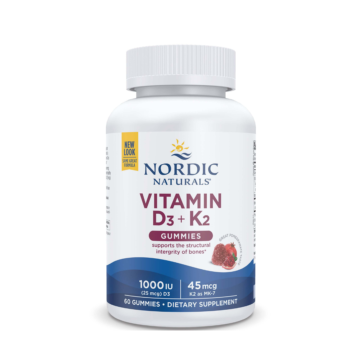








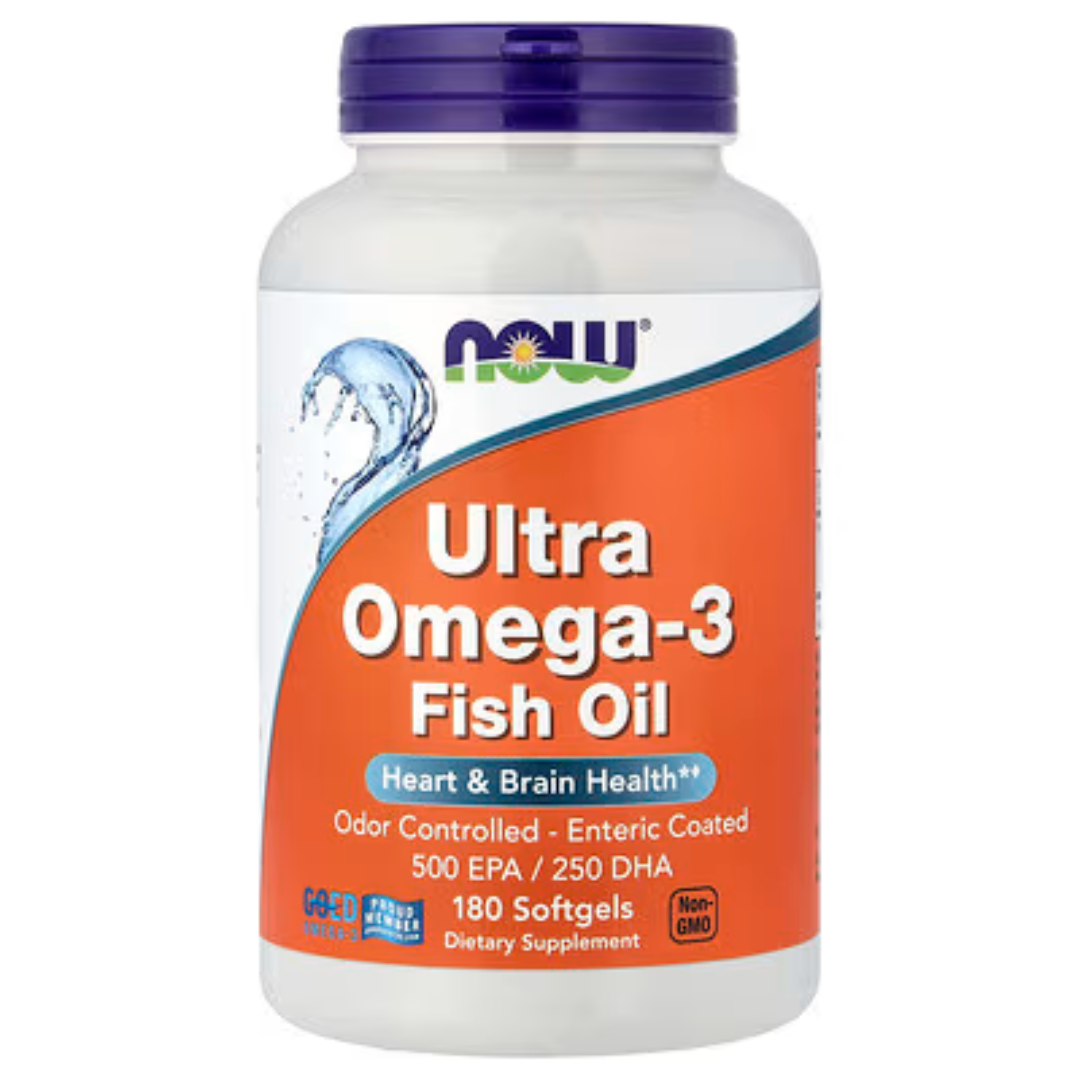
Cardiac Support Supplements are a type of dietary supplements that contain nutrients that support normal heart function, healthy blood vessels, and overall cardiovascular health. These commonly include things like omega-3 fatty acids, CoQ10, magnesium, vitamin D, and other vitamins or minerals.
But supplements are no alternative for a heart-healthy diet, exercise, prescription medications, or medical care. Their usefulness relies on the composition, dosage, health status and prescription of the user.
Cardiac support supplements are dietary supplements made of nutrients or other compounds designed to support cardiovascular health and optimal heart function.
What is a Cardiac Support Supplement?
These can include vitamins, minerals, fatty acids, antioxidants, or other chemicals that may be needed for heart and blood vessel function.
Ingredients that may contain:
Omega-3 Fatty Acids: Commonly found in Fish or Algae Oil.
Coenzyme Q10 (CoQ10): A molecule that helps cells make energy.
Magnesium: An essential mineral for optimal muscle and neurone function.
Vitamin D: A nutrient required for various physiological activities including bone and immunological health.
Potassium. This mineral is necessary for proper muscle and neurone function.
Botanical substances: Products that contain botanical extracts and components like garlic.
The formula varies greatly from product to product. So it’s crucial to check the Supplement Facts label and not just assume all heart support tablets are made equal.
Why Do You Need a Cardiac Support Supplement?
There are a number of lifestyle and nutritional factors that are crucial for cardiovascular health. Supplements can be useful if you have a nutritional deficiency or need a particular vitamin as your healthcare specialist has advised.
1. Fulfils the dietary needs
The most important nutrients should be taken from a well-rounded diet. But some people may be unable to achieve their nutritional needs with diet alone.
A good supplement will assist in giving you certain nutrients you may be missing out of your diet.
2. Promotes a Healthy Heart Lifestyle
Cardiac supplements work best when used as part of a whole wellness program that includes nutritious foods, exercise, decent sleep, and no smoking.
They should be seen as a supplement to good behaviour, not a substitute for it.
3. Offers Specific Nutrients
Every element has a purpose. For instance, products for cardiovascular health are packed with omega-3 fatty acids, magnesium and CoQ10 for their specialised nutritional properties.
The benefit will depend on the item and the nutritional needs of the person.
4. Basic Daily Nutrition
If needed, a supplement might be an easy way to add a key nutrient into your routine.
Liquid, tablets, soft gels, and capsules are available.
5. Encourages General Wellbeing
That’s a good index to how you are, physically, overall. A well-rounded diet can assist regular bodily processes while healthy lifestyle choices lay the foundation for long-term health.
How does Cardiac Support Formula work?
It’s all about what it does, what a heart support supplement does. There is no one mechanism that fits all things.
Step 1: Assemble Ingredients
Start with the Supplement Facts label. Check the active substances and the quantities, serving size, and other ingredients.
Step 2: Know the Role of Each Nutrient
Each element has a special biological function.
Magnesium, for example, is essential for proper muscle and nerve function. Omega-3 fatty acids are crucial components of cell membranes.
Step 3: Closing the nutrition gap
If you’re not getting enough of a nutrient from the meal, supplementation can assist in boosting intake.
It does not necessarily follow that more will bring more advantage.
Step 4: Use the product as directed.
Follow the serving guidelines on the product label unless otherwise recommended by a trained health care specialist.
Certain nutrients can become poisonous in excess.
Step 5: Supplementation and sound habits
A supplement is meant to augment a healthy lifestyle. But regular physical activity, proper food, keeping a normal weight, enough sleep, and not smoking are crucial for your heart and blood vessels.
Step 6: Safety and Interactions Review
Some supplements may not be safe for persons with specific health problems, or may interfere with prescriptions.
If you take prescription medicines, especially those which affect blood coagulation, blood pressure or heart rhythm, you should see a healthcare professional before using a new product.
Benefits of Heart Support Supplements
Supports Healthy Heart Function
Supplements can provide nutrients which are involved in everyday muscle, neurone and cellular functions that help to support the general cardiovascular system of the body.
What exactly this does depends on whether a vitamin or drug is used.
Provides essential nutrition
Some might find it challenging to obtain consistent levels of nutrients from their diet that are delivered in cardiac support products.
This may be particularly important if a health care expert has identified a dietary shortfall or elevated nutritional need.
Encourages good eating habits.
Supplements may be one component of a structured wellness program alongside good food and other healthy lifestyle choices.
You don’t need to take 10 vitamins. You should take a product based on the real needs of food.
Omega-3 Fatty Acids Administration
Some cardiac support products include omega-3 fatty acids EPA and DHA.
These fatty acids are found naturally in oily fish, but can also be extracted from algae as a supplement. When considering a product, users should examine the amount and type of omega-3 found in the product.
Enhances energy-generating processes
CoQ10 is a vital part of the process of making energy inside cells. It is often added to products marketed for heart and cardiovascular support because of that.
However, the evidence for CoQ10 supplementation is inconsistent depending on the health state and consumption.
Helps Fulfill Mineral Needs
It contains magnesium and other ingredients that may help to maintain normal physiological processes, including normal muscle and nerve function.
If you are not getting enough in your diet, a supplement may be helpful, but high-dose supplementation is not recommended unless essential.
How to choose a heart support supplement in 2026?
Picking a supplement isn’t only about seeing the words “heart support” on a bottle.
Here are some points to ponder:
- View all ingredients
- Check the strength of each active ingredient.
- Look for clear serving instructions.
- Buy from reputable makers.
- Avoid products with questionable disease-treatment claims.
- Check the package and the date of expiration.
- Ask yourself if you truly need the stuff.
- Talk to your health care professional about possible drug interactions.
If you are buying a heart support supplement in Pakistan, ensure that you check that the product is original, the importer’s details, storage instructions, and seller’s reputation.
Are Cardiac Support Supplements Safe?
Many nutritional supplements are safe when used as directed, but just because something is natural doesn’t mean it’s safe.
Potential issues include overconsumption of nutrients, allergies, gastrointestinal difficulties, probable interactions with prescription drugs, and substances that are not appropriate for some health conditions.
If pregnant, nursing, contemplating surgery, have a chronic condition, or on prescription medications, see a healthcare expert before using any supplement.
Most importantly, supplements should never be used to treat chest discomfort, heart attacks, dangerously high blood pressure, irregular heart rhythms, or other serious heart disease.
If you experience abrupt chest tightness, pain or discomfort, very short breath, fainting or other indicators of a probable heart attack, call a doctor immediately.
Heart Support Supplements Vs Heart Medications
Don’t mix these two kinds up.
Cardiac Support Supplements are health dietary items, made from nutritional ingredients, designed to provide nutrients or other elements.
Heart medications are controlled therapy advised or prescribed for certain medical issues. They can be used to treat diseases such as high blood pressure, high cholesterol, blood clots, or heart rhythm issues.
Never substitute a prescribed cardiovascular medicine with a supplement without consulting your physician.
Who should be on a heart health supplement?
If adults want to boost their nutrition for a particular reason for using the contents, they may consider taking a supplement.
Possible users are:
- The diet is deficient in a certain nutrient.
- Administers a nutritional supplement as advised by a health care professional.
- Looking for an easy source of nutrition.
- Looking to add on to an overall heart-healthy lifestyle.
But just because you have a heart condition doesn’t automatically make a cardiac supplement the right choice for you. Medical advice from a competent practitioner for the individual is important.
FAQs
1. What’s a Heart Support Supplement?
Cardiac support supplements are dietary supplements that contain minerals or other compounds believed to maintain optimal circulatory health. Always check, as dosages and ingredients differ.
2. What is typically in heart support supplements?
Ingredients vary but often include omega-3 fatty acids, coenzyme Q10, magnesium, vitamin D, and other minerals or plant compounds. Each product has a different mix.
3. Do vitamin supplements for the heart replace cardiac medicine?
No. Supplements are not a substitute for the cardiac drugs prescribed by your doctor. If you are taking medicine for your heart, talk with your health care provider before you change your therapy or take any supplements.
4. Is it safe to use Heart Support Supplement daily?
Some products are for daily use, but the amount you need varies by product formula and the person’s needs. Read the label, and if you have any doubts, seek an expert.
5. What is the Best supplement for heart support?
There is no single vitamin that fits everyone. What is best for you will depend on ingredients, your nutritional needs, your health, your prescriptions, quality of products, and professional supervision.
Conclusion
Heart health supplements can provide you with the nutrients you need to help boost a balanced diet and healthy lifestyle. You will see the usual formulas with omega-3 fatty acids, CoQ10, magnesium, vitamin D, and other things.
The secret is listening to the evidence, the proper dose, the quality of the product, and the specific nutritional requirements. Supplements are not a substitute for a heart-healthy lifestyle or medically prescribed treatment.
And if you’re on medication or have heart disease, it’s a good idea to check with a registered healthcare practitioner before utilising a heart health supplement for personalised advice.