
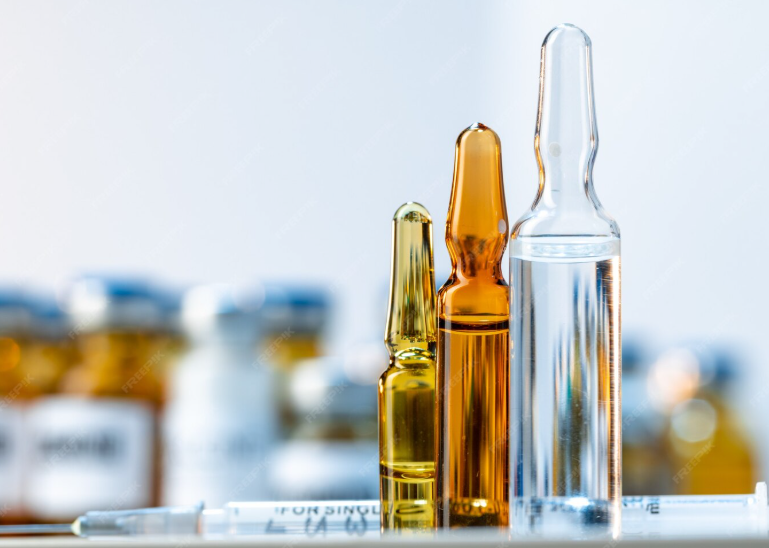
A vitamin D shot is a quick and effective technique to fix a lack of vitamin D. It sends a large amount directly into the body, which helps bring levels back to normal quickly.
More doctors are now offering vitamin D shots for those who have a severe deficit, a weak immune system, bone pain, or trouble absorbing the vitamin. This tutorial breaks everything down into easy-to-understand terms.
What is an injection of vitamin D?
A vitamin D injection is a shot that gives you a lot of vitamin D directly into your muscle.
It works rapidly and well to cure or stop vitamin D insufficiency.
The injection goes straight into the body, unlike tablets or capsules. This is especially beneficial for folks who can’t get enough vitamin D.
Most of the time, doctors give people vitamin D3 (cholecalciferol) shots. Depending on your condition, the dose could be anything from 100,000 IU to 600,000 IU.
- It is often delivered in the upper arm.
- The hip (gluteal muscle)
- In a hospital or clinical setting
You shouldn’t get vitamin D shots every day. A doctor usually gives them once every few weeks or months.
What is the importance of a vitamin D shot?
Vitamin D is very important for your health in general. When levels become too low, big problems can happen.
This is why vitamin D shots are important:
Quick repair of the deficit
Injections quickly enhance vitamin D levels, especially in severe cases.
Makes bones stronger Vitamin
It helps the body take in calcium and lowers the chance of breaking bones.
Helps the immune system
Getting enough vitamin D may help the body fight off illnesses.
Good for folks who don’t absorb well
Great for people who have gastrointestinal problems or have had weight loss surgery.
Lessens tiredness and weakness
A lot of people feel more energetic after fixing a shortfall.
Stops problems from getting worse over time
Low vitamin D levels can cause osteoporosis, weak muscles, and mood problems.
From a healthcare point of view, vitamin D shots are a cheap way to stop long-term health problems that come from not getting enough of it.
How does an injection of vitamin D work?
This is a simple step-by-step guide:
1. Injecting into the muscle
A doctor or nurse gives a muscle an injection of vitamin D, usually D3.
2. Slow Release Vitamin
Over time, vitamin D is slowly released into the blood.
3. Liver Activation
The liver changes vitamin D into 25-hydroxyvitamin D, which is the form that stores it.
4. Change in the Kidneys
The kidneys change it into its active form, calcitriol.
5. Better calcium absorption
Vitamin D that is active helps the body take in calcium from food.
6. Support for bones and muscles
Calcium strengthens bones and improves muscle function.
Because the injection is kept in body fat and released gradually, its effects can last weeks or even months.
Benefits of Vitamin D Injection
1. Rapid Correction of Deficiency
One of the main advantages is speed.
Blood levels improve faster compared to oral supplements.
2. Stronger Bones Vitamin
- Vitamin D helps: Prevent rickets in children
- Reduce osteoporosis risk in adults
- Lower fracture risk in elderly individuals
3. Better Muscle Function
- Low vitamin D can cause: Muscle cramping
- Weakness
- Balance problems
Injections might help older people get stronger and lower their chance of falling.
4. Better support for the immune system
Studies indicate that vitamin D is involved in immunological modulation.
Adequate levels may lower the number of infections.
5. A better mood
Low vitamin D levels have been linked to mental disorders.
Some patients say that their mood gets better after fixing the deficit.
6. Easy for Patients Who Don’t Want to Follow Directions
Some folks forget to take their daily pills.
Getting one shot every few months makes people more likely to follow through.
7. Helpful for Health Problems
Doctors may suggest shots for:
- Long-term kidney disease
- Liver disease
- Syndromes of malabsorption
- Obesity (when vitamin D is stuck in fat tissue)
Who Should Get a Vitamin D Shot?
If you have any of the following, your doctor may suggest it:
- Vitamin D levels in the blood are very low.
- Pain in the bones or broken bones often
- Long-term tiredness
- Limited time in the sun
- Skin that is darker and has inadequate vitamin D
- Digestive problems that make it hard to absorb
A straightforward blood test (25-OH vitamin D test) verifies deficiency.
Are there any side effects?
When given the right way, vitamin D shots are usually safe.
Some possible negative effects are:
- Slight discomfort at the injection site
- Nausea (rare)
- Too much calcium can cause high levels of calcium.
- Taking too much vitamin D can be bad for you. That’s why it’s crucial to have a doctor watch over you.
- Never give yourself a high amount of vitamin D without talking to a doctor first.
Vitamin D Injection vs Oral Supplements
| Feature | Injection | Tablets |
| Speed | Faster correction | Slower |
| Convenience | Once every few weeks/months | Daily or weekly |
| Absorption | Bypasses gut | Depends on digestion |
| Best For | Severe deficiency | Mild deficiency |
Doctors choose based on your lab results and health condition.
FAQS
1. Is getting vitamin D by injection better than taking tablets?
It all depends on how bad your insufficiency is.
Injections work better for severe deficiency or issues with absorption.
2. How long does an injection of vitamin D last?
The length of time it lasts depends on the dose, although it can be anywhere from a few weeks to a few months.
3. Does getting a vitamin D shot hurt?
It might hurt a little at the injection site, but it normally doesn’t last long.
4. How long will it take for me to feel better?
Some people feel better in one to two weeks.
It could take a few weeks for the full adjustment to happen.
5. Is it okay to take Vitamin D pills after the shot?
Yes, doctors commonly give patients maintenance doses following the injection.
Tips for being safe in 2026
- Always check your blood levels before taking a much of it.
- Without a doctor’s advice, don’t mix high-dose injections with strong oral supplements.
- Get more blood tests after that.
- Keep getting enough sun and eating a balanced diet.
- Personalized vitamin D therapy is important.
Conclusion
A vitamin D shot is a strong and quick way to fix a lack of vitamin D. It is especially helpful for persons who are very deficient, have trouble absorbing nutrients, or are always tired.
It is safe and works when a doctor is watching over it. If you think you might have low vitamin D levels, talk to your doctor and get tested before you start treatment.
Fixing a lack of vitamin D can make bones stronger, boost the immune system, give you more energy, and make you feel better overall in 2026 and beyond.