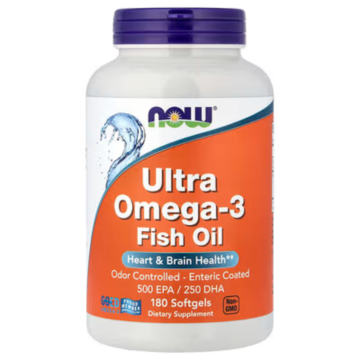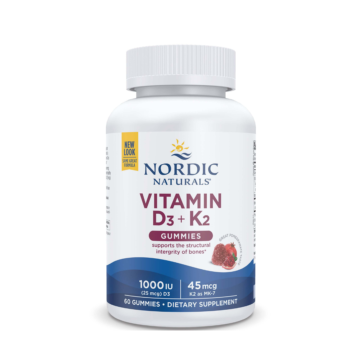









Heart Cardiac Supplement is a dietary supplement formulated with nutrients or other ingredients that may support normal cardiovascular function and good heart health.
Common constituents include omega-3s, CoQ10, magnesium, vitamin D, and various other vitamins and minerals. Supplements are an adjunct to a healthy lifestyle, not a substitute for prescribed cardiac medicines or medical care.
This 2026 Guide examines heart supplements, why we take them, how they function, potential benefits, and what to look for when choosing one.
What is a heart cardiac supplement?
A heart cardiac supplement is a food supplement containing nutrients or other ingredients to assist with maintaining a healthy heart and circulation.
These supplements are formulated to deliver targeted nutrients to complement a well-rounded diet and active lifestyle.
In diverse forms: Cardiac supplements:
- Tablet
- Softgel
- Capsules
- Liquids formula,
- Powders
Ingredients vary by product. Some recipes are loaded with just one vitamin; others are a mixture of chemicals.
Standard ingredients
Omega-3 fatty acids
Fish oil and algal oil generally provide two critical omega-3 fatty acids, EPA and DHA.
Coenzyme Q10 (CoQ10)
CoQ10 is a natural substance that helps produce energy in the cells.
Magnesium
Magnesium is an essential mineral that helps sustain healthy muscle and nerve function.
Vitamin D
Some heart health treatments include Vitamin D. It participates in some normal physiological activities.
Potassium
A vital mineral, potassium helps neurons and muscles perform properly.
Just because an element is in a supplement does not mean it will assist or prevent heart disease. Each ingredient can have a distinct cause and a different proof.
Why should you use a cardiac heart supplement?
There are a few things that impact heart health. Some of these are nutrition, exercise, sleep, blood pressure, cholesterol, smoking, body weight, and heredity.
A cardiac supplement may have a use if it supplies nutrients a person needs or struggles to obtain from food.
Assisting with feeding
Good nutrition starts with a well-rounded diet. But for some, one meal may not deliver enough nourishment.
But where there is a demonstrated need, a quality supplement can help raise intake.
Has some nutrition, varied nutrients, and varied functions.
Nerves and muscles need magnesium to work properly, and the body needs vital fatty acids called omega-3 fatty acids.
Extension of Healthy Lifestyle
Supplements are one piece of the puzzle in a holistic health regimen.
Heart-Healthy Practices: It Makes a Difference.
They are:
- Eating a well-balanced, nutritious diet
- Taking regular physical activity
- Keeping a healthy weight
- Don’t smoke.
- Getting a good night’s sleep
- Coping with Stress
- On the advice of a doctor
Convenience within reach
Capsules, softgels, and tablets are an easy way to incorporate particular nutrients into a regimen.
Perhaps this will help others who have been told they need to supplement a particular nutrient.
Encourages Nutritional Awareness
Customers may also want to look at supplement labels to discover the nutrients they are obtaining.
This is especially important if you are taking a lot of supplements at one time, as different brands may include the same substances.
How Does a Heart Cardiac Supplement Work?
Every heart is different, and every heart supplement acts differently. Its effects vary on ingredients, dose, and the nutritional status of the individual.
Here is a brief description of the steps.
1. Some nutrients are absorbed by the body
With a supplement, you do digest and absorb the nutrients, maybe not to the same extent.
The body then employs them for its normal biological functions.
2. Number of Ingredients
Each item has a purpose.
For example, magnesium supports healthy muscle and nerve function, while CoQ10 plays a role in energy synthesis in cells.
3. Addressing Nutritional Deficiencies
If a person is lacking a nutrient, they can add a supplement to their diet.
But supplementing doesn’t mean that bigger doses are better.
4. Supplements Help Build Healthy Habits
Supplements for the heart work best when they are part of a holistic approach to heart health.
Still crucial are good eating, exercise, enough sleep, and not smoking.
5. Suitability: Dependent individual
The appropriate supplement for you will depend on your diet, age, health status, prescriptions, and nutritional demands.
There is not one-size-fits-all vitamin.
Benefits of Heart Supplements
The benefits will depend on the chemicals and whether the supplementation is good for the person.
Promotes Healthy Heart Functioning
Some nutrients are needed for normal muscle, neuron, and cellular function. Promoting overall cardiovascular health.
But that doesn’t mean dietary supplements can treat heart problems.
Rich in omega-3 fatty acids
Supplements have omega-3s, EPA & DHA.
These fatty acids are an important part of cell membranes and exist naturally in foods such as fatty fish.
If you are shopping for an omega-3 supplement, be sure you are reading the exact amount of EPA and DHA, not just the total fish oil.
Supports the preservation of healthy muscles
Magnesium is a vital mineral for healthy muscle function and is a typical ingredient in products for cardiovascular health.
Magnesium is an important mineral, but taking too much magnesium as a supplement might be harmful.
Helps produce energy in cells
CoQ10 helps cells generate energy.
It occurs naturally in the body and is often included in supplements marketed for heart and energy support.
There is some evidence for taking more CoQ10 as a supplement for certain health problems.
Helps to fulfill nutritional needs
Some of the cardiac supplements have vitamins and minerals that help in proper functioning of the body.
They can be beneficial if you don’t receive enough in your diet or if your health care professional has recommended that you take a supplement.
Improves General Health
Good cardiovascular health is really a function of lifestyle and nutrition,” he said.
You can add a decent supplement to a good habit, but it won’t make up for a bad diet or not exercising.
How to select a heart cardiac supplement in 2026?
It’s not as simple as choosing a supplement with a container that reads “heart health.”
Check the List of ingredients
Active substances (specified, in what amounts).
It is a really simple recipe to make, and the ingredients are easy to get.
Dose comparison
Two things can have the same stuff in them, but in significantly different concentrations.
See mg/serving. Follow the manufacturer’s recommended dose.
Check product quality
Buy from reputable manufacturers and reputable dealers.
Test:
- Date of expiry
- Batch/Lot Information
- Manufacturer Information
- Good Packaging –
- Storage Tips
- Product Original
Avoid Unrealistic Claims
We have been working on this stuff a long time.
Find the objects that say:
- Manage Your Heart Disease
- Arteries clean
- Other therapies
- Prevent Heart Attacks
- Cardiac findings, acutely
- Scary things should be said like that.
Consider Your Medicines
Supplements can interfere with prescription drugs.
If you’re on treatment for heart disease, high blood pressure, high cholesterol, blood clotting or any other ongoing medical problem, see your doctor or pharmacist before starting a new supplement.
Heart Cardiac Supplement Compared To Heart Medicines
Heart medication and heart vitamins are not the same thing.
A supplement is something we take to get minerals or other needed elements.
With competent medical advice, drugs can be used to prevent, control, or cure some illness or problems.
For example, if you are on medicine for high blood pressure or any other cardiovascular ailment, you should not stop your prescription and take a supplement instead.
Follow your doctor’s orders for therapy.
Are Heart Supplements Safe?
Many supplements are safe if taken properly, but they are not a guarantee.
Possible issues:
- Taking excessive amount
- Allergic Response
- Stomach ache
- Drug interactions; many of the same compounds are used in different products.
- Undernutrition for a specific health concern
If you are pregnant or breastfeeding, are planning surgery, are on prescription medications, or have a chronic medical condition, see your doctor before starting any new supplement.
If you have symptoms such as fast chest pain or pressure, severe shortness of breath, loss of consciousness, or other signs of a potential cardiac emergency, get medical help immediately instead.
FAQs
1. What Exactly Is a Heart Supplement?
A cardiac supplement is a dietary supplement containing minerals or other compounds that are supposed to help support optimal circulatory health. They’re often full of: Omega-3 fatty acids, CoQ10, magnesium, various vitamins and minerals.
2. What are the substances commonly found in cardiac supplements?
Common compounds you’ll see are Omega-3 EPA & DHA, CoQ10, magnesium, vitamin D, potassium, and some botanicals. The formula will differ from product to product.
3. Can I use a supplement instead of a heart treatment?
Nein. The supplement should not replace medical therapy or prescribed cardiac medicines. Please check with your doctor before altering any prescription medicine.
4. Can I take a heart supplement daily?
Some supplements are taken every day; however, the amount you take depends on the supplement and what you need. Read and obey label directions, and consult an expert if needed.
5. What is the best companion to the heart?
There is no best vitamin for anyone. The proper item relies on what it is, how much of it, how good the product is, nutritional demands, medical conditions, and drugs.
Conclusion
A heart supplement can deliver targeted nutrients to help maintain a healthy diet and lifestyle. Heart health products are commonly enriched with omega-3 fatty acids, CoQ10, magnesium,m and vitamin D.
But supplements are not a substitute for a healthy lifestyle or medical therapy given by a doctor. What works best for you will depend on your individual diet needs and health condition.
Always get the advice of a skilled healthcare expert before beginning any new heart health supplement, especially if you are using prescription medication or have a pre-existing heart condition.