







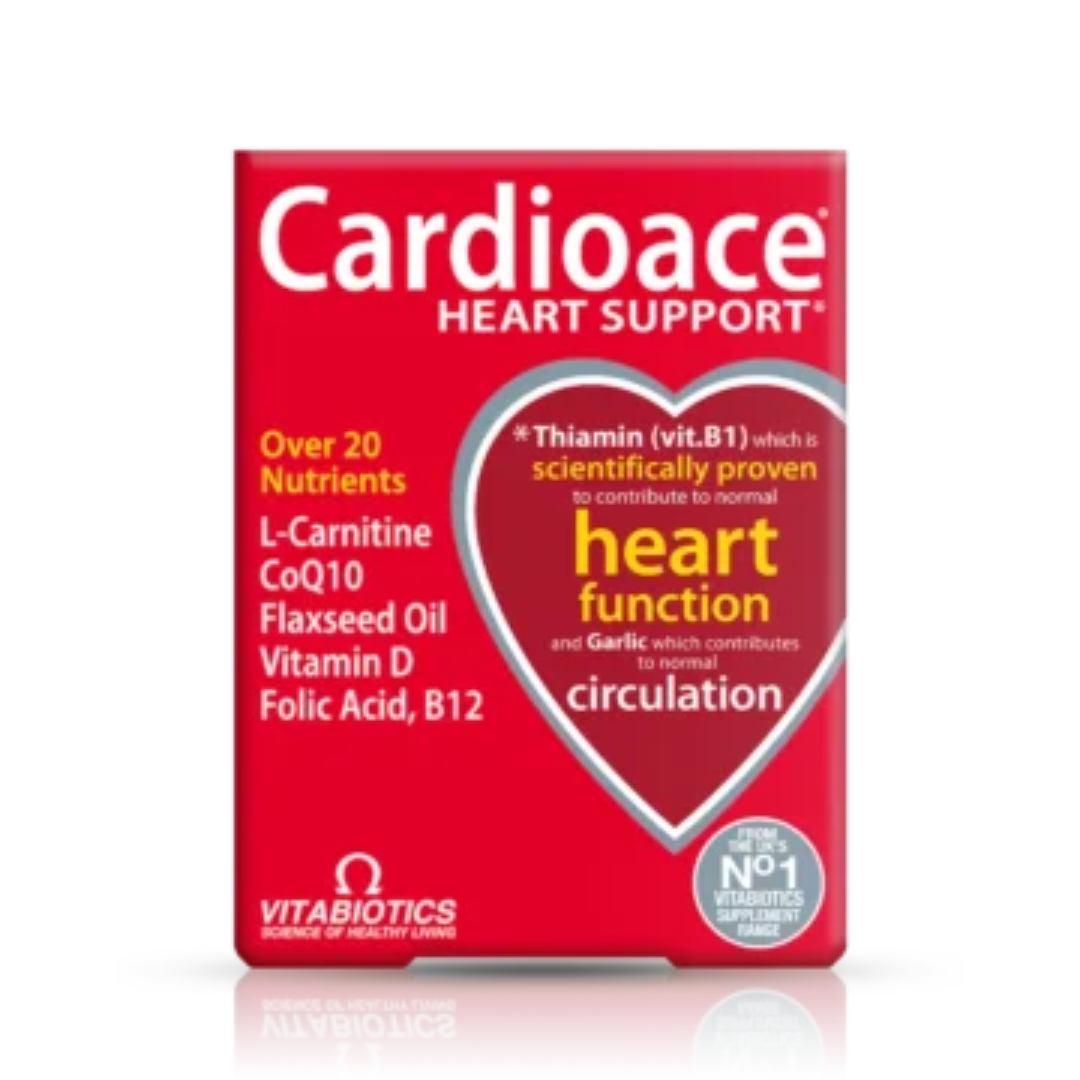
A cardiac supplement is a dietary supplement marketed to support heart health by providing nutrients such as omega-3 fatty acids, CoQ10, magnesium, or certain vitamins. These nutrients may support normal cardiovascular functions, depending on the ingredient and a person’s nutritional needs.
However, not every Heart health supplement has proven benefits for preventing heart disease. Understanding its uses, potential benefits, and safety can help you make informed decisions about your heart health.
What Is a Cardiac Supplement?
A cardiovascular supplement is a dietary product designed to support heart and cardiovascular health by providing specific nutrients or other ingredients. It may contain vitamins, minerals, fatty acids, or antioxidant compounds.
These supplements are available as capsules, tablets, softgels, powders, and liquids. Their effects depend on their ingredients, quality, dosage, and the individual’s health needs.
Common types of Essential nutrients for heart health include:
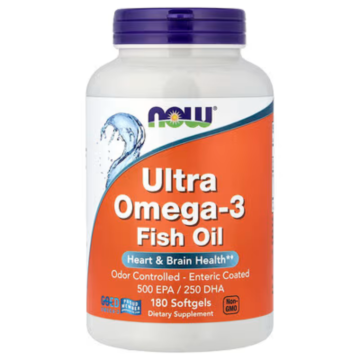
- Omega-3 fatty acids: Found in fish oil and certain plant-based products.
- Coenzyme Q10 (CoQ10): A compound involved in cellular energy production.
- Magnesium: A mineral needed for normal muscle and nerve function.
- Vitamin B12 and folate: Nutrients involved in red blood cell formation and other essential processes.
Not everyone needs a Cardiovascular wellness supplement. A balanced diet can provide many nutrients, while supplementation may be appropriate in certain circumstances.
Why Are Supplements for Heart Health Important?
Heart health depends on several factors, including nutrition, physical activity, blood pressure, cholesterol levels, and overall lifestyle. Supplements for heart health may have a role in supporting specific nutritional needs, but they are not a substitute for medical care.
Here is why people consider them:
- Nutritional support: Supplements can help address specific nutrient deficiencies when identified.
- Normal muscle function: Nutrients such as magnesium contribute to normal muscle function, including the heart muscle.
- Triglyceride management: Certain omega-3 products can help lower elevated blood triglycerides, although prescription products and ordinary supplements are not interchangeable.
- Cellular energy production: CoQ10 participates in the process through which cells produce energy.
- Targeted nutritional needs: Some people may require supplementation because of dietary restrictions or particular medical circumstances.
Scientific evidence varies by ingredient. For example, research supports the triglyceride-lowering effects of omega-3 fatty acids, but ordinary fish oil supplements have not consistently demonstrated protection against cardiovascular events in the general population.
How Does a Cardiac Supplement Work?
The way a Cardiac nutrition supplement works depends on its active ingredients. Here is a simple step-by-step explanation.
- Provides specific nutrients: The supplement delivers nutrients or compounds that the body uses for normal biological functions.
- Supports normal body processes: Ingredients such as magnesium help muscles function, while CoQ10 participates in cellular energy production.
- May influence cardiovascular risk factors: Some omega-3 products can reduce triglyceride levels. The extent of this effect depends on the product and the amount used.
- Works alongside healthy habits: A balanced diet, regular physical activity, adequate sleep, and medical care remain important for cardiovascular health.
- Produces ingredient-specific effects: Results depend on whether a person needs the nutrient, the formulation, and the available clinical evidence. Taking more does not necessarily provide greater benefits.
- Cardiac health vitamins do not all work in the same way, and their effects should not be assumed to prevent or treat heart disease.
Benefits of Heart Health Nutrients
The potential benefits depend on the supplement’s ingredients and the individual’s nutritional needs.
1. Supports Normal Heart Muscle Function
Magnesium contributes to normal muscle function and plays a role in electrical signaling. Getting enough magnesium is important, but taking extra magnesium does not automatically improve heart health in someone who already gets enough.
2. Helps Manage Triglyceride Levels
Omega-3 fatty acids, particularly EPA and DHA, can lower blood triglycerides. People with significantly elevated triglycerides may need medical assessment and, in some cases, prescription treatment rather than an ordinary supplement.
3. Supports Cellular Energy Production
CoQ10 helps cells produce energy. It has been studied for several cardiovascular conditions, including heart failure, but the evidence remains inconclusive for many uses. It should not be promoted as a proven treatment for heart disease.
4. Helps Address Nutrient Deficiencies
People with specific nutritional deficiencies may benefit from appropriate supplementation. Correcting a deficiency can support normal bodily functions, although the benefits depend on which nutrient is lacking and the person’s health.
5. Complements a Heart-Healthy Lifestyle
When medically appropriate, a cardiac supplement may complement a nutritious diet and other healthy habits. However, supplements cannot compensate for smoking, inactivity, an unbalanced diet, or poorly managed cardiovascular risk factors.
Frequently Asked Questions (FAQs)
1. What Is a Cardiac Nutrition Supplement Used For?
A Heart health supplement is used to provide selected nutrients that may support normal cardiovascular functions. Its usefulness depends on the ingredients and the person’s nutritional needs.
2. Which Cardiac Supplement Is Best for Heart Health?
There is no single best Omega-3 for heart health for everyone. The right choice depends on dietary intake, medical conditions, medications, and evidence supporting the specific ingredient.
3. Are Cardiac Supplements Safe to Take Daily?
Some supplements are safe when used appropriately, but others can cause side effects or interact with medicines. Consult a healthcare professional before starting one, especially if you have a heart condition.
4. Can Cardiac Supplements Prevent Heart Attacks?
No supplement should be assumed to prevent heart attacks. Evidence varies by ingredient, and routine supplements have not consistently demonstrated cardiovascular protection in the general population.
5. Can I Take a Cardiac Supplement With Heart Medication?
Some supplements interact with prescription medicines. Ask your doctor or pharmacist to review the exact ingredients before taking them alongside heart medication.
Conclusion
A cardiac supplement may help meet specific nutritional needs and support normal body functions, but its benefits depend on the ingredients and the available scientific evidence. Omega-3 fatty acids, magnesium, and CoQ10 have different roles and should not be treated as interchangeable solutions for heart health.
The best approach is to maintain a balanced diet, stay physically active, manage cardiovascular risk factors, and consult a qualified healthcare professional before using supplements. Never replace prescribed heart medication with a dietary supplement.