





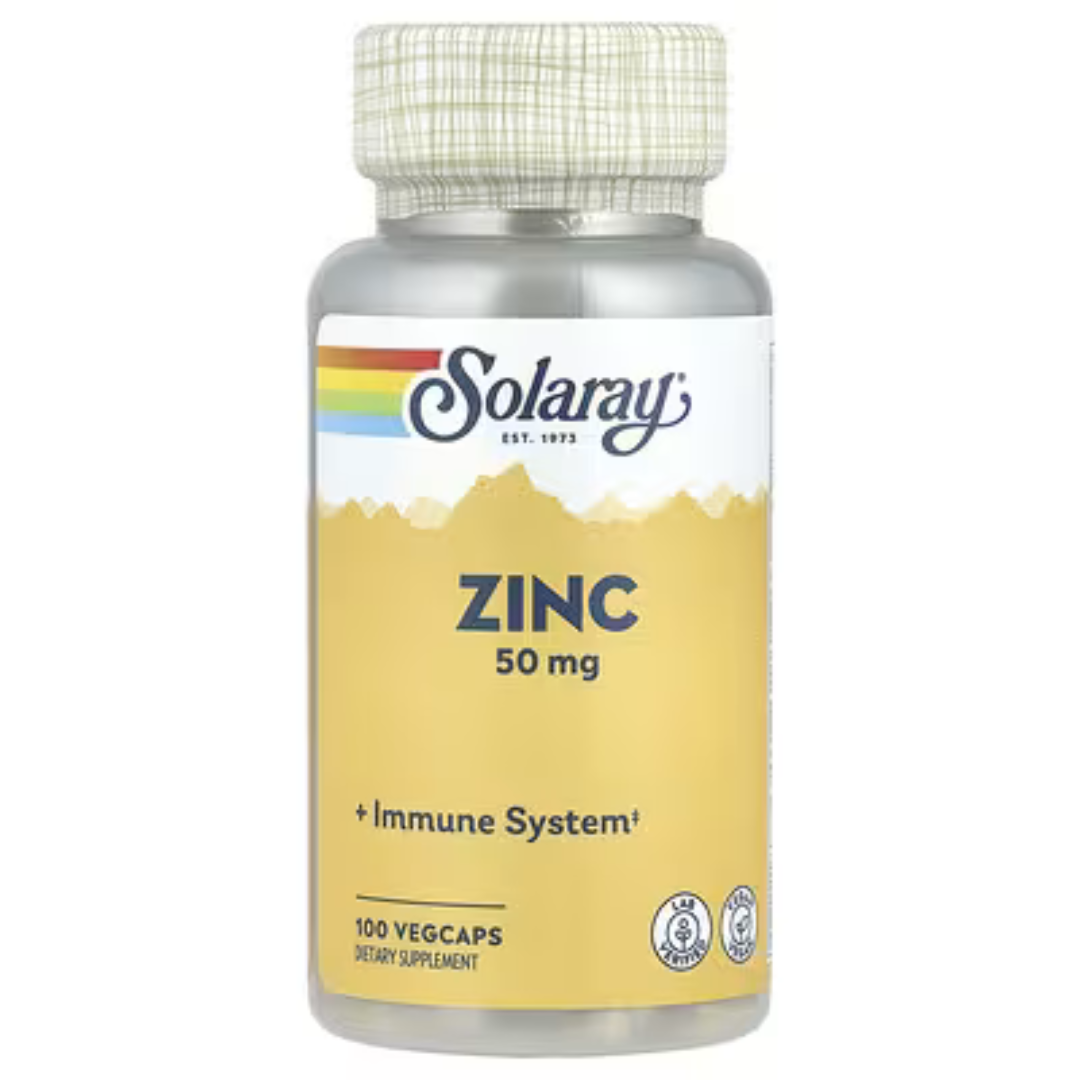
Zinc is an essential mineral that supports children’s growth, immune function, and overall health. A zinc supplement for kids may help children who do not get enough zinc from their diet or have a zinc deficiency. However, most children can meet their nutritional needs through a balanced diet.
Understanding the benefits, uses, side effects, and proper dosage of zinc can help parents make informed decisions about their child’s health.
What Is a Zinc Supplement for Kids?
Zinc vitamins for kids provide zinc, an essential mineral that supports growth, immune function, wound healing, and healthy development. It comes in forms such as liquid drops, syrups, chewable tablets, and gummies. Children can also get zinc from meat, eggs, dairy products, beans, and lentils. Supplements may be needed when dietary intake is insufficient, or a deficiency is identified.
Benefits of Zinc Supplements for Kids
Kids’ zinc vitamins offer several health benefits, especially for children who do not get enough of this essential mineral.
1. Supports Immune Function
Zinc helps the immune system work properly by supporting immune cell development and activity. Adequate intake helps maintain normal immune defenses, although supplements cannot guarantee protection against infections.
2. Promotes Growth and Development
Zinc supports cell division, protein production, and normal physical growth. Correcting a zinc deficiency can help children maintain healthy development.
3. Supports Wound Healing
The body needs zinc for tissue repair and wound healing. Adequate zinc intake supports the recovery of damaged skin and other tissues.
4. Maintains Healthy Skin
Zinc contributes to normal skin function and repair. Children with insufficient zinc may experience certain skin changes that require medical assessment.
5. Supports Appetite and Taste
Zinc helps maintain normal taste and smell. A deficiency may contribute to reduced appetite or changes in taste, but persistent feeding difficulties should be evaluated by a healthcare professional.
Zinc Supplement Benefits for Kids
| Benefit | How It Helps |
| Immune Support | Supports normal immune system function |
| Growth and Development | Helps with cell growth and protein production |
| Wound Healing | Supports tissue repair |
| Healthy Skin | Maintains normal skin function |
| Appetite and Taste | Supports normal taste and smell |
What Are Zinc Supplements Used for in Kids?
Liquid zinc for kids may be recommended for children in several situations:
- Zinc deficiency: To correct inadequate zinc levels or insufficient intake.
- Limited diets: To help meet nutritional needs when food choices are restricted.
- Certain cases of diarrhea: Zinc is recommended for childhood diarrhea in some settings, following local medical guidance.
- Growth concerns: To address zinc deficiency that may affect normal growth.
- Nutrient absorption problems: To support children with certain medical conditions that increase the risk of deficiency.
Zinc supplements for child growth should not replace a balanced diet or prescribed medical treatment.
How Does Zinc Work in a Child’s Body?
Zinc supports many biological processes at the cellular level. It helps enzymes and proteins perform functions essential for growth, metabolism, and tissue maintenance.
Here’s how it works:
- Cell development: Supports normal cell division and growth.
- Immune response: Helps immune cells function properly.
- Protein production: Supports the production of proteins needed for growth and repair.
- Tissue repair: Contributes to skin maintenance and wound healing.
- Taste and smell: Helps maintain normal sensory functions.
When children do not get enough zinc, these processes may be affected. Adequate intake helps the body maintain normal functions.
Why Is Zinc Important for Kids?
Zinc is important because childhood involves rapid growth and development. Children need sufficient zinc to support their immune systems, maintain healthy skin, repair tissues, and develop normally.
Children who eat varied, balanced diets are more likely to meet their zinc requirements. Those with restricted diets or certain digestive conditions may have a higher risk of deficiency.
Parents should prioritize zinc-rich foods and consider supplements only when dietary intake is insufficient or professional advice supports their use.
Side Effects of Zinc Supplements for Kids
Child nutrition are generally used safely when taken appropriately, but excessive amounts may cause side effects.
Common side effects include:
- Nausea and vomiting
- Stomach pain or cramps
- Diarrhea
- Reduced appetite
- Metallic or unpleasant taste
Taking too much zinc over time can interfere with copper absorption and cause copper deficiency. Large accidental doses can be dangerous.
Keep supplements out of children’s reach. If a child accidentally takes a large amount, seek urgent medical or poison-control advice.
Best zinc supplement for kids: Dosage and Usage Guidelines for Kids
The correct zinc intake depends on a child’s age, diet, and medical needs. The following recommended daily amounts apply to healthy children in the United States and include zinc from both food and supplements
Zinc Dosage for Kids by Age.
| Age | Recommended daily zinc intake |
| Birth–6 months | 2 mg |
| 7–12 months | 3 mg |
| 1–3 years | 3 mg |
| 4–8 years | 5 mg |
| 9–13 years | 8 mg |
| Boys 14–18 years | 11 mg |
| Girls 14–18 years | 9 mg |
These values are nutritional requirements, not supplement doses. Medical treatment may require a different amount under professional supervision.
Safe Usage Guidelines
- Consult a pediatrician: Confirm whether your child needs a supplement.
- Choose an age-appropriate product: Follow the product label and professional instructions.
- Check elemental zinc: Look at the amount of elemental zinc provided per serving.
- Avoid duplicate supplements: Check multivitamins and other products to prevent excessive intake.
- Follow the recommended dose: Never increase the amount without medical advice.
- Store safely: Keep supplements away from children to prevent accidental ingestion.
Do not start zinc supplements for babies under six months without medical guidance.
FAQs
1. Is zinc supplement good for kids?
Yes, it can help children with zinc deficiency or inadequate dietary intake. Children who get enough zinc from food may not need supplements.
2. What are the signs of zinc deficiency in kids?
Possible signs include poor growth, reduced appetite, skin changes, and delayed wound healing. These symptoms can have other causes and require professional assessment.
3. Can kids take Essential minerals for kids daily?
Daily supplementation may be appropriate when recommended by a healthcare professional. The correct amount depends on age, diet, and medical needs.
4. Can zinc help children recover from a cold?
Zinc supports normal immune function, but evidence for treating childhood colds with supplements is limited. Consult a pediatrician before using zinc for this purpose.
5. Which foods provide zinc for kids?
Meat, seafood, eggs, dairy products, beans, lentils, nuts, seeds, and fortified cereals are useful sources of zinc.
6. Can zinc supplements cause side effects?
Yes. Excessive zinc may cause nausea, vomiting, stomach discomfort, or diarrhea. Long-term excessive intake can also lead to copper deficiency.
Conclusion
A zinc supplement for kids may help address zinc deficiency and support normal growth, immune function, skin health, and wound healing. However, supplements are not necessary for every child, and excessive zinc can cause harmful side effects.
Parents should offer zinc-rich foods, choose age-appropriate products, and consult a healthcare professional before starting supplementation. Proper use helps children meet their nutritional needs safely.